Home / AI News / DOJ Super Intelligence Task Force: Impact on Jobs, Data and Compliance
DOJ Super Intelligence Task Force: Impact on Jobs, Data and Compliance
The DOJ Super Intelligence Task Force (DOJ‑SITF) unites criminal and civil AI enforcement across the department, pushes firms to adopt stronger internal controls, and may require reporting of AI‑related incidents. Employees should expect tighter privacy safeguards, while companies must formalize AI governance to avoid civil or criminal exposure.

What happened?
On November 5 2026 the Department of Justice announced the creation of the Super Intelligence Task Force (DOJ‑SITF), co‑led by Associate Attorney General Stanley Woodward and Associate Deputy Attorney General Stephen Weiss【S1†2】. The task force stems from an Oct. 13 internal memorandum that outlines six core functions, including:
- Organizing criminal and civil enforcement around super‑intelligence (SI) systems.
- De‑conflicting investigations among DOJ components and U.S. Attorney offices.
- Setting enforcement priorities to protect public safety and prevent SI misuse.
- Acting as the primary liaison with the Super Intelligence Force and other agencies.
- Incorporating the earlier AI Litigation Task Force’s work.
- Developing guidance on prosecuting unlawful SI conduct and evaluating corporate compliance measures【S2†a】.
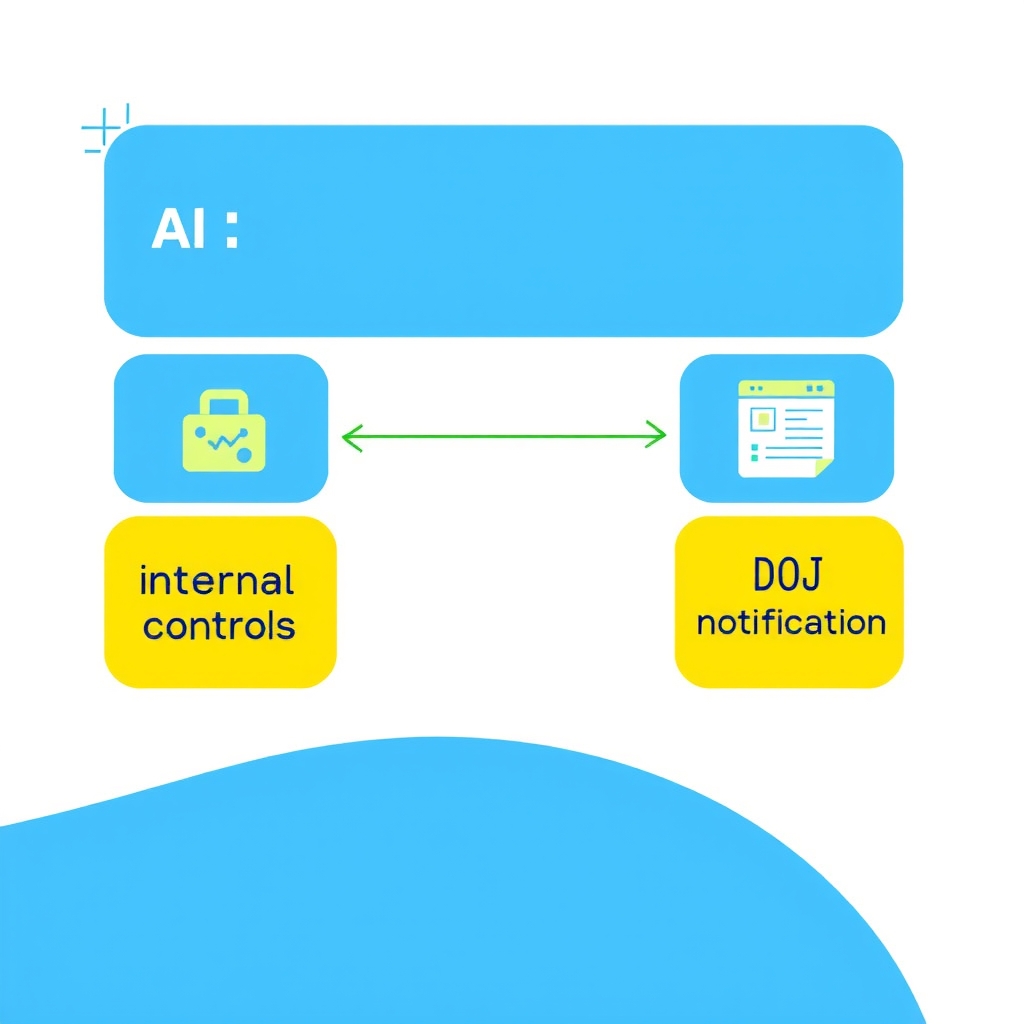
The memo also proposes a notification process whereby DOJ components must alert the SITF before opening, charging or resolving an AI‑related case, though the process will not delay urgent actions【S1†6】【S1†7】. The task force will also advise on legislative proposals through the Offices of Legal Policy and Legislative Affairs【S1†10】.
Why does it matter to employees?
The SITF’s mandate expands beyond foreign threats to include domestic individuals and corporations whose AI use may involve fraud or other unlawful conduct【S1†3】. This broader focus translates into several workplace implications:
- Privacy and monitoring – Companies may be required to implement “vigorous internal controls” and incident‑reporting mechanisms for AI systems. Employees could see increased monitoring of AI‑assisted work, especially where models process personal data.
- Job security – Misuse of AI—such as automating tasks in violation of fraud statutes—could trigger civil or criminal actions. Employees involved in non‑compliant AI projects may face disciplinary measures or legal liability.
- Compliance expectations – The DOJ expects firms to designate responsibility for AI risk, maintain escalation pathways, and document key decisions about advanced models. Failure to do so could lead to subpoenas or enforcement actions that affect staff across legal, IT, and operations departments【S1†5】.
In short, the SITF signals that AI misuse will be scrutinized at the same level as traditional fraud or corporate espionage, making individual accountability a real concern.
What should workers and midsize firms do now?
Both employees and mid‑size companies can take concrete steps to align with the emerging DOJ framework:
For workers
- Understand your company’s AI policy – Ask for the latest AI use guidelines and know who handles incident reporting.
- Document your work – Keep records of how you use AI tools, especially for decisions that affect customers or financial outcomes.
- Report concerns promptly – Use internal whistleblower channels if you suspect misuse, fraud, or a breach of privacy.
For midsize firms
- Conduct a governance audit – Identify who is responsible for AI risk, map out escalation paths, and ensure policies address “evaluation of compliance measures” as called out by the SITF.
- Implement incident‑response procedures – Set up a process to log, investigate, and remediate AI‑related incidents, mirroring the DOJ’s focus on regular reporting.
- Review contracts and export controls – Verify that AI components, especially high‑performance chips, comply with U.S. export‑control rules and recent sanctions against illicit transfers【S4†】.
- Engage counsel early – Seek legal advice to align existing controls with the forthcoming DOJ guidance and to prepare for possible notification requests from DOJ components.
- Monitor DOJ releases – Keep an eye on the DOJ press release and the internal memorandum for updates on enforcement priorities【S1†2】【S2†a】.
These actions help protect employee data, reduce the risk of enforcement, and demonstrate to the DOJ that the organization takes AI compliance seriously.
Read the DOJ press release Download the internal memorandum Legal 500 analysis of the SITF
For deeper technical guidance see our related posts on AI governance:
- [/how-to/what-is-an-mcp-connector/]
- [/ai-news/glm-5-4-loop-transformer/]
- [/ai-news/shirudo-ai-linux-security/]
What we do not know yet?
The DOJ has not detailed specific enforcement thresholds—such as the dollar value of AI‑related fraud that will trigger a SITF investigation—or the exact format of the future compliance guidance. Companies must therefore prepare for a range of possible requirements while awaiting formal rulemaking.
Frequently asked questions
Will the DOJ require companies to register their AI models?
The SITF memo mentions guidance on evaluating compliance measures but does not mandate a registration system at this time.
Can the SITF subpoena employee communications involving AI tools?
If a DOJ component opens an investigation, the notification process could give the SITF visibility into the case, which may include subpoenas under existing statutes.
How does the SITF affect small businesses that only use off‑the‑shelf AI services?
Small firms are still subject to the same compliance expectations, though the DOJ is likely to prioritize larger or higher‑risk operations first.
When will the DOJ publish its official compliance guidance?
The timeline has not been set; the task force will develop guidance as it identifies enforcement priorities.